Audio Based Learning
Text Based Learning
Supporting Clients Still Living with the Perpetrator.
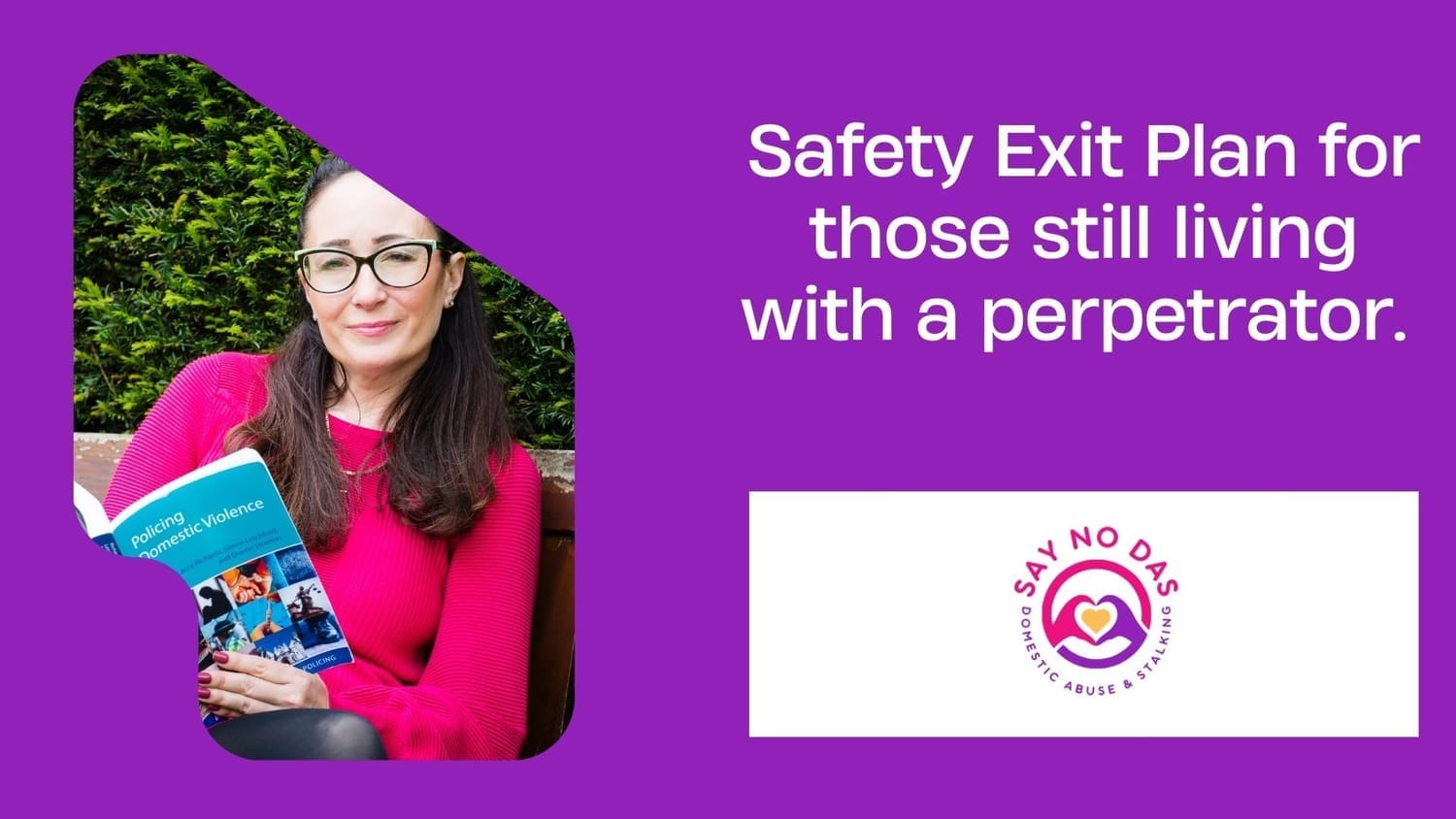
If your client is still living with the perpetrator, there are several key safety measures they should follow to minimise risk. While a comprehensive safety exit plan is available in the Domestic Abuse Breakthrough Handbook, below are a few essential strategies to implement immediately:
Key Safety Measures
Discreet Emergency Contacts: Advise your client to save emergency numbers under a female name starting with the letter "A." This provides quick access while reducing suspicion if the perpetrator sees them dialing.
Safe Word System: Encourage clients to establish a safe word with trusted individuals, including friends, neighbors, colleagues, or family members. Have two separate words: one for a check-in visit and another for an immediate emergency response.
Positioning for Safety: Clients should always position themselves near an exit in any room to avoid being trapped.
Clothing with Pockets: Wearing clothing with pockets ensures they can carry their phone and keys at all times. Keys should be free from bulky keychains and limited to essential keys only.
Reporting to the Police: Is It Necessary?
There is no one-size-fits-all answer regarding police involvement. Clients and professionals must consider:
The evidence available to support their case.
Their current level of risk.
Whether the perpetrator has anything they could use against them.
Key Considerations
Reporting to the police can significantly escalate risk. If a client can safely exit without involving law enforcement until they have safely left the home, this is the preferred approach. If emergency accommodation is required, direct clients to charitable organisations that can assist.
If the risk is high, reporting to the police is often necessary despite potential challenges.
Advise clients against engaging in a battle of wills with a volatile ex over the house. Remaining under the same roof because the other person refuses to see reason is never advisable. Safety must be prioritised over fairness.
Police may not always take cases seriously, and victims can be dismissed or blamed. This is why having strong evidence and a clear strategy is crucial.
If clients have little evidence but the perpetrator has positioned them as the problem (e.g., using medical records or past reactions against them), premature reporting could be harmful.
If immediate safety is at risk, reporting is essential, and the client should focus on the necessary steps to avoid a potential fatality.
Safety is always our main priority!
Other Considerations
Informing Schools and GPs
Schools should be aware of any concerns, as their reports may support legal proceedings.
When speaking to GPs, clients must be mindful of language to avoid being labeled as disordered, which can be used against them.
Advice for Legal Professionals
Be Mindful of Financial Barriers: Charging clients who are subjected to financial abuse for standard court applications is unnecessary and increases stress. Consider providing instructional videos or directing clients to charitable organisations that offer support with applications.
Focus Legal Fees on High-Value Areas: Allocate legal costs toward areas that need closer attention to detail, such as statement preparation and court representation, rather than basic administrative paperwork.
Think About Contacting Law Enforcement for a Secure Exit: Evaluating risk is crucial in this situation. If you believe your client is in immediate danger and requires help for a safe exit, reaching out to the police may facilitate a smoother transition for the victims you are assisting. Demonstrating the level of risk involved will significantly enhance the likelihood of this process being supported.
Support Through Certified Programs: Legal professionals and organisations approved through my certification process can offer clients access to weekly risk evaluation and regulation support calls. This relieves stress on clients and eases the burden on professionals. You can request a call to discuss this and see if it is a good fit for you and your organisation.
By following these strategies, professionals can help their clients navigate the legal system safely, minimise risk, and build a strong case for protection and justice.
Download The Safety Exit Plan